
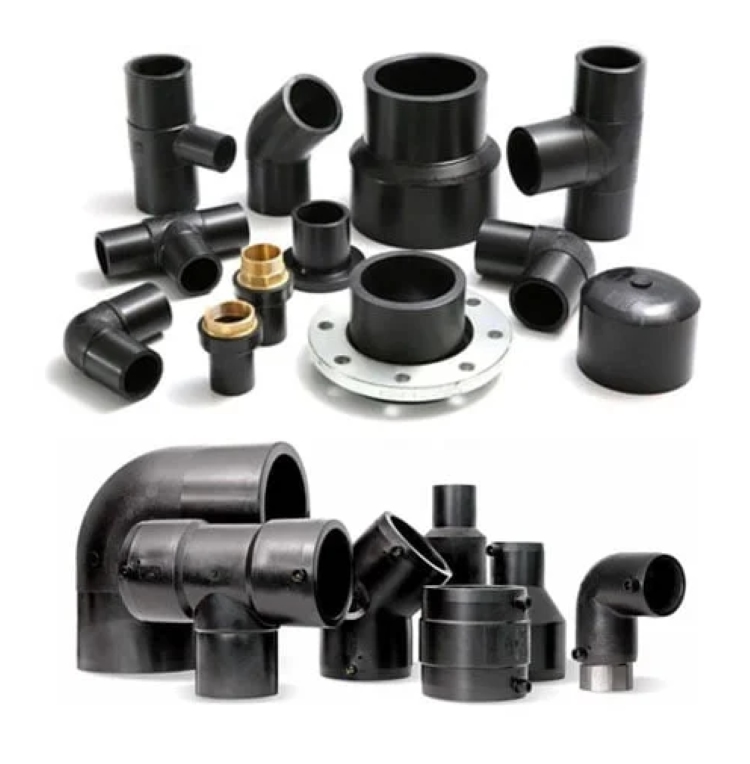
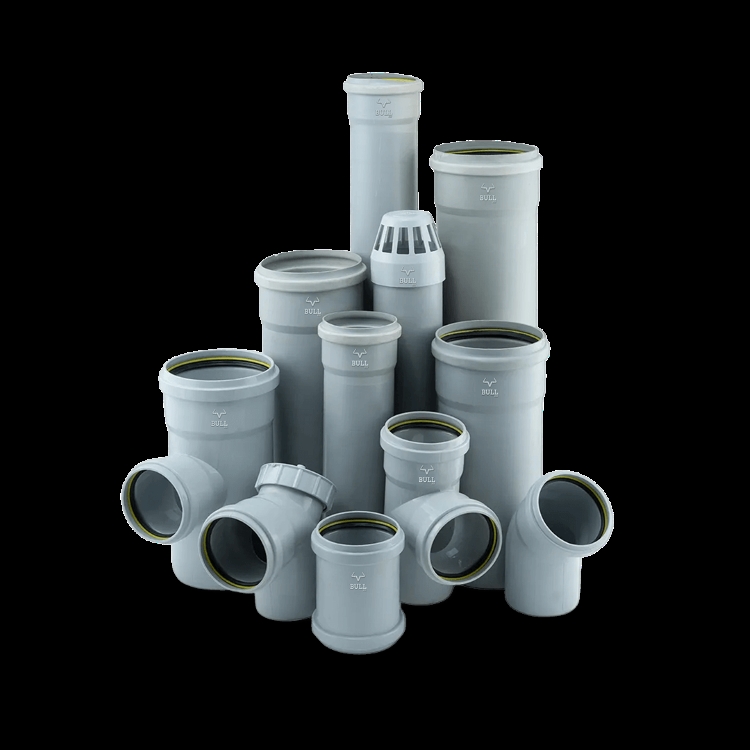
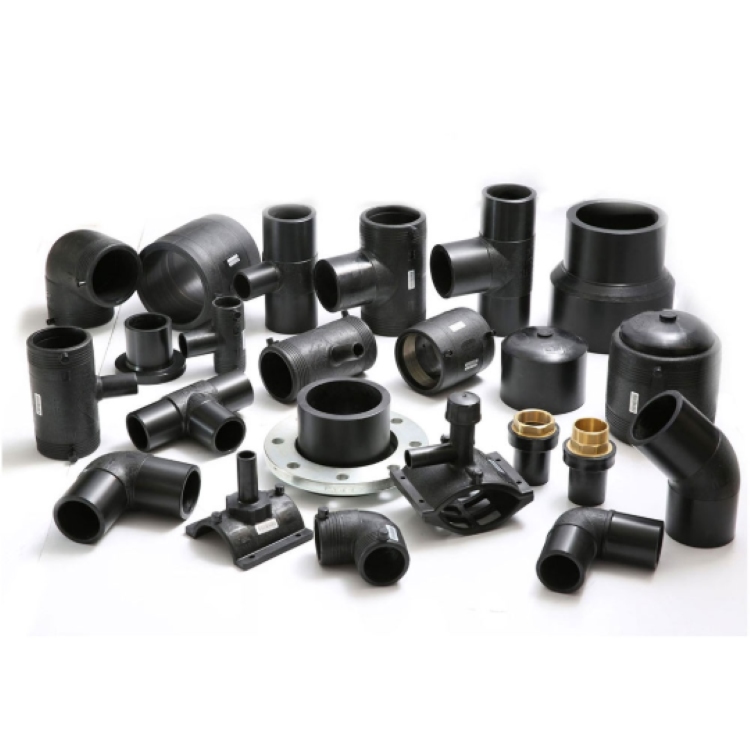
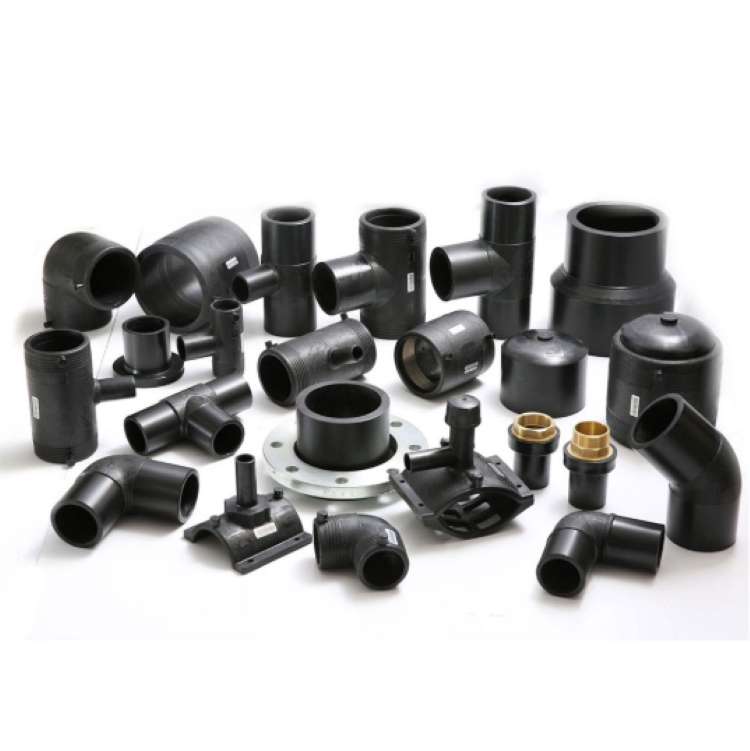
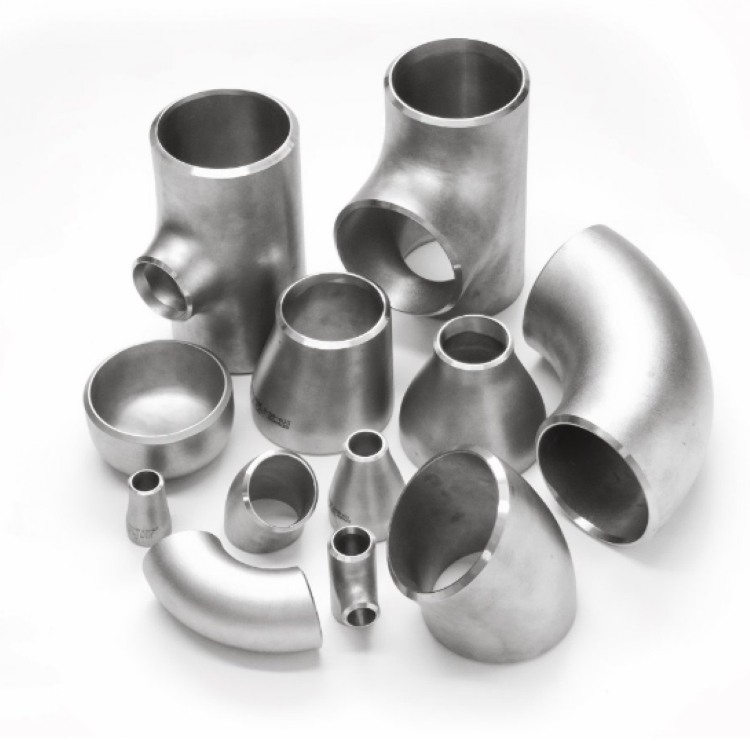



Description
Description
The major piping materials are also produced in the form of standard fittings. Among the more widely used materials are ductile or cast iron, malleable iron, brass, copper, cast steel, forged steel, and wrought steel. Other major nonferrous piping materials are also produced in the form of cast and wrought fittings. Ductile and cast-iron fittings are made by conventional foundry methods for a variety of joints including bell-and-spigot, push-on flanged, and mechanical (gland-type) or other proprietary designs.
Ductile and Cast-Iron Fittings
Cast-iron fittings are covered by a number of ASME and ANSI/AWWA standards:
ASME B16.1 Cast Iron Pipe Flanges and Flanged Fittings, Class 25, 125, 250, and 800 (The standard also includes bolt, nut, and gasket data.)
ASME B16.4 Gray Iron Threaded Fittings, Class 125 and 250
ASME B16.12 Cast Iron Threaded Drainage Fittings ANSI/AWWA C110/A21.10 Ductile Iron and Gray Iron Fittings, 3-in through 48-in (76 mm through 6200 mm), for Water and Other Liquids
ANSI/AWWA C115/A21.15 Ductile Iron and Gray Iron Fittings, 3-in through 48-in (76 mm through 1200 mm), for Water
ANSI/AWWA C153/A21.53 Ductile Iron Compact Fittings, 3-in through 24-in (76 mm through 610 mm) and 54-in through 64-in (1400 mm through 1600 mm), for Water Service
Cast-Iron Threaded Fittings
Cast-iron threaded fittings are covered by ASME Standard B16.4. The standard specifies the below-listed attributes for Class 125 and Class 250 tees, crosses, 45° and 90° elbows, reducing tees, caps, couplings, and reducing couplings in sizes ranging from NPS ¹⁄₄ (DN 6) through NPS 12 (DN 300), inclusive. However, in Class 250, the standard only covers 45° and 90° elbows, straight tees, and straight crosses.
Pressure-temperature ratings
Size and method of designating openings of reducing fittings
Marking
Minimum requirements for materials
Dimensions and tolerances
Threading
Coatings

Reviews
There are no reviews yet.